
Some expansions remain beloved years after their release, while others settle into history with more mixed reputations. The reasons are rarely simple. Story themes, world structure, gameplay systems, and pacing all shape how an expansion ages. Over time, the emotional impact of an expansion depends not only on how it played at launch but on how its ideas and philosophies endure in hindsight.
This article explores why certain expansions age gracefully — and what that reveals about design choices that resonate long after their final patch.
Timeless Themes Leave Lasting Impressions
Expansions with strong thematic cores tend to remain culturally significant. Stories centered on loss, discovery, cultural conflict, or personal struggle resonate more deeply over time. These themes remain relatable regardless of gameplay changes or power resets. Expansions built around universal ideas remain emotionally accessible years after players move on.
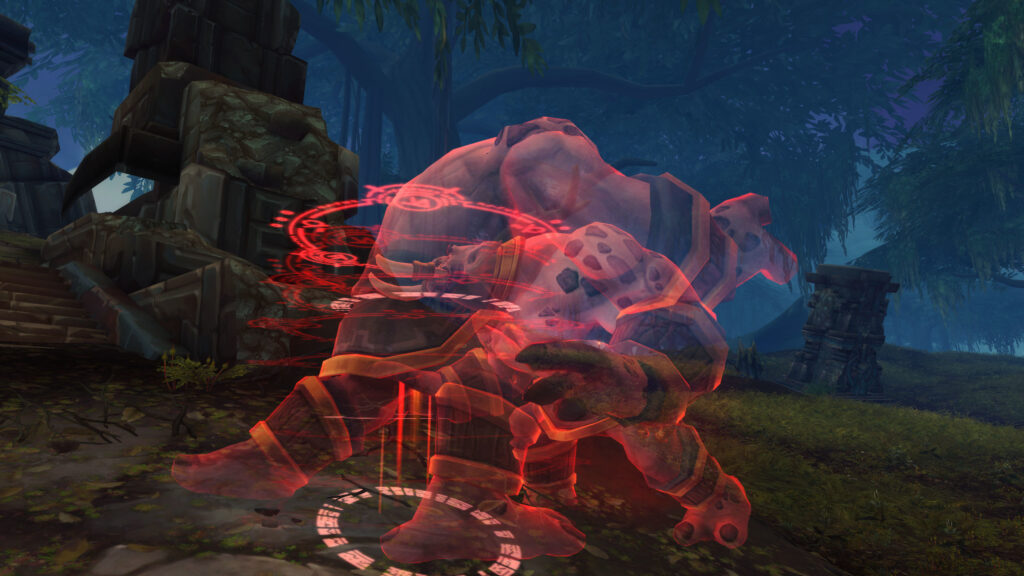
Theme becomes a quiet anchor that survives shifting systems.
Systems That Age Well vs. Systems That Expire
Some expansions introduce systems that integrate smoothly into the long-term experience, while others rely on mechanics that fade once the expansion ends. Borrowed power, temporary progression layers, or overly complex systems often lose appeal once players no longer interact with them daily. In contrast, evergreen improvements — better leveling flow, streamlined interfaces, accessible content structures — age far more gracefully.
To illustrate how systems age differently, here is a simple comparison:
| System Type | Ages Well? | Reason |
|---|---|---|
| Evergreen improvements | Yes | Remain useful in future expansions |
| Borrowed power systems | No | Become irrelevant after content cycle ends |
| Zone and world-building | Yes | Retains emotional and visual value |
| Time-gated mechanics | No | Lose purpose once progression resets |
The Impact of World Design on Longevity
Expansions with memorable zones tend to stay relevant in community discussion. Landscapes filled with unique architecture, emotional tone, and coherent environmental storytelling retain their charm long after the content cycle ends. Players often return to these zones to level alts, farm transmog, or simply revisit the feelings tied to those spaces.
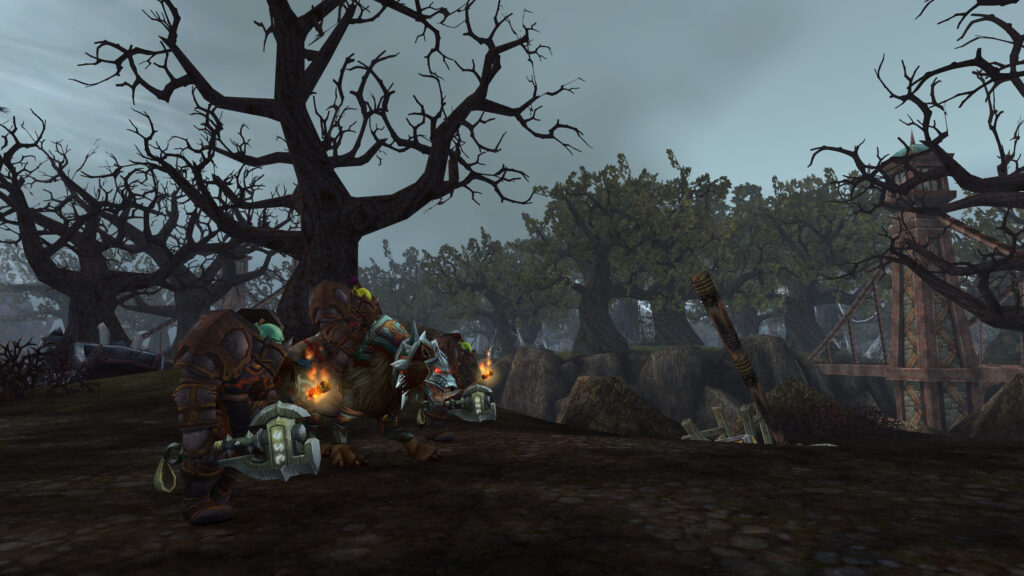
Environment shapes memory as much as narrative.
Consistency Strengthens Legacy
Expansions that maintain consistent pacing and tone often age better than those defined by abrupt shifts or narrative angles that lose relevance. A cohesive expansion feels like a unified experience rather than a collection of disparate patches. This consistency helps memories remain intact, reinforcing a sense of narrative unity that players recall fondly over time.
Cohesion becomes a form of emotional durability.
The Community’s Role in Shaping Retrospective Value
Community sentiment plays a major role in how expansions age. Over time, early frustrations fade, and players reassess content with fresh perspectives. Raids, dungeons, story arcs, and features receive renewed appreciation as players look back with distance. Some expansions that were divisive at launch become beloved in hindsight, while others lose their shine once their temporary systems are removed.
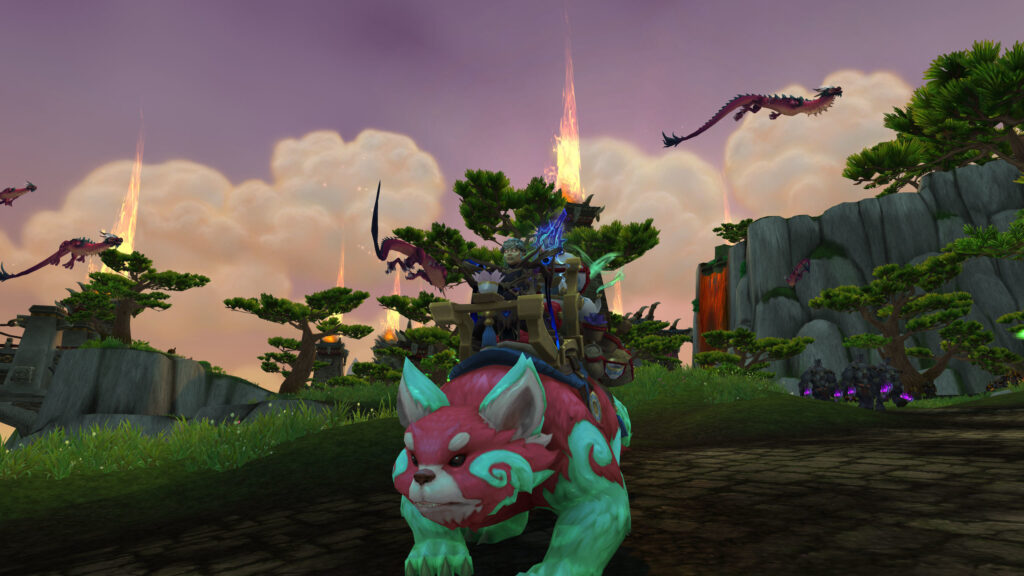
How players remember an expansion often matters more than how they felt at launch.
Conclusion
Some expansions age better because they build on timeless themes, cohesive world-building, and systems that remain meaningful beyond their original cycle. Others fade because their strengths depended on temporary mechanics or trends.
The way expansions endure reveals the value of emotional storytelling, consistent vision, and lasting design choices. In the end, longevity reflects more than popularity — it showcases the deeper qualities that define memorable experiences.


