
World of Warcraft’s day–night cycle has existed since the game’s earliest days, but its influence on gameplay runs far deeper than many players recognize. While it may seem like a simple cosmetic feature meant to bring ambience to Azeroth, the shifting light transforms everything from mob spawns and gathering routes to immersion, exploration, and even open-world PvP dynamics. Hidden beneath the surface of convenience and aesthetics is a dynamic system that quietly shapes player behavior across expansions.
This article explores how the day–night cycle affects world design, questing flow, profession efficiency, and the emotional tone of different zones—revealing that Azeroth changes more between sunrise and sunset than most adventurers ever notice.
Visual Clarity and Combat Readability
One of the most significant impacts of the day–night cycle is the change in visual clarity. When night falls, shadows deepen, and certain spells or enemy animations become harder to read. This especially affects classes that rely on visual cues, such as tanks tracking ground effects or ranged players identifying incoming projectiles. Many raid groups and Mythic+ teams schedule content around their personal daylight preferences for optimal visibility.

Nighttime also affects open-world combat. Players who roam darker zones like Duskwood or Suramar at night often report higher difficulty spotting stealthed enemies or elite mobs. Conversely, daylight makes it easier to track movement, revealing adds or patrols that might otherwise remain unnoticed.
Gathering Professions and Resource Visibility
Herbalists and miners know more than anyone how lighting affects resource farming. Herbs tucked between trees or beside dark rock formations become nearly invisible at night, slowing down gathering routes. Meanwhile, ores with reflective textures are often easier to spot under the glow of moonlight. These natural differences lead some farmers to optimize their gathering sessions based on time-of-day advantages.
A fun example is in Pandaria Classic: certain herbs like Green Tea Leaf blend into the floor far more at night, while Ghost Iron nodes appear with brighter metallic highlights under night skies. Players who understand these visual shifts often squeeze out extra efficiency simply by adjusting when they farm.
| Zone | Best Time to Farm | Reason |
|---|---|---|
| Valley of the Four Winds | Day | Better herb visibility in green fields |
| Suramar | Night | Ore nodes glow more under moonlight |
| Storm Peaks | Day | Shadow contrast makes spawns easier to see |
How NPC Behavior Shifts After Sunset
Many players overlook one simple truth: some NPCs change their behavior based on the time of day. Vendors close shop, patrolling guards switch routes, and certain mobs only appear at night. This is especially true in older zones like Scarlet Monastery’s exterior, Duskwood, and parts of Hillsbrad Foothills, where night-themed enemies spawn in place of daytime ones.
These subtle design choices shape questing flow. A player may unknowingly struggle with a quest that becomes dramatically easier—or harder—if attempted during the opposite time of day. For example, certain rare mobs in the Barrens roam wider paths at night, while some undead spawn in higher density only after sunset.
Atmosphere, Player Immersion, and Emotional Tone
The emotional impact of time-of-day changes is enormous. Zones like Grizzly Hills feel peaceful and adventurous in the daytime, but strangely quiet and unsettling at night. Meanwhile, Elwynn Forest turns from cheerful to mysterious, especially with fireflies lighting pathways after dark. These mood shifts subtly influence how players perceive danger, nostalgia, or exploration.

Nighttime also enhances the beauty of zones with magical elements—think of the glowing crystals in Azuremyst Isle or the arcane lights in Suramar. These visual transformations make night exploration uniquely rewarding for players who enjoy absorbing Warcraft’s environmental storytelling.
Impact on PvP and Player Decision-Making
In open-world PvP zones, darkness becomes a strategic advantage. The reduced visibility helps rogues, feral druids, and other stealth classes strike with surprise. Conversely, players farming in dangerous zones late at night often report more ambushes, as enemies blend better into the background.
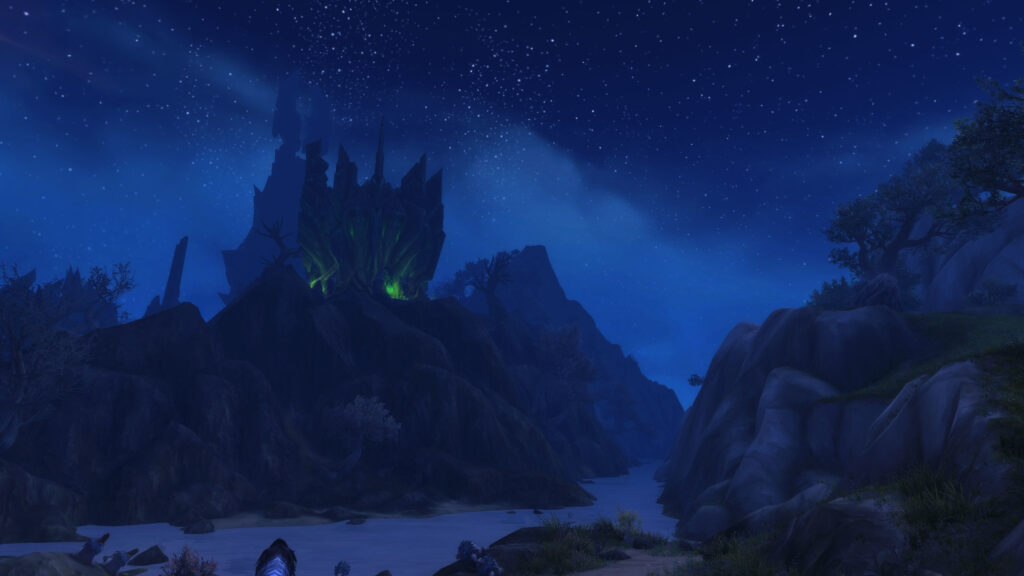
Some veteran PvP players specifically hunt or defend objectives depending on lighting conditions. Night battles feel more chaotic, while daytime engagements provide clearer terrain awareness. These differences shape micro-strategies even if players don’t consciously acknowledge them.
Conclusion
Though subtle, Azeroth’s day–night cycle remains one of the most underrated systems influencing gameplay. It transforms visibility, gathering efficiency, atmosphere, NPC behavior, and PvP dynamics. Whether consciously or subconsciously, every player feels the effects of this cycle each day they log in, shaping their experience in ways that make Azeroth feel like a living, evolving world.
The next time the sun sets in Elwynn or rises over the peaks of Stormheim, take a moment to observe how the world behaves—you may notice secrets hidden in light and shadow.


